

Exploring Custom Food Truck Designs Today
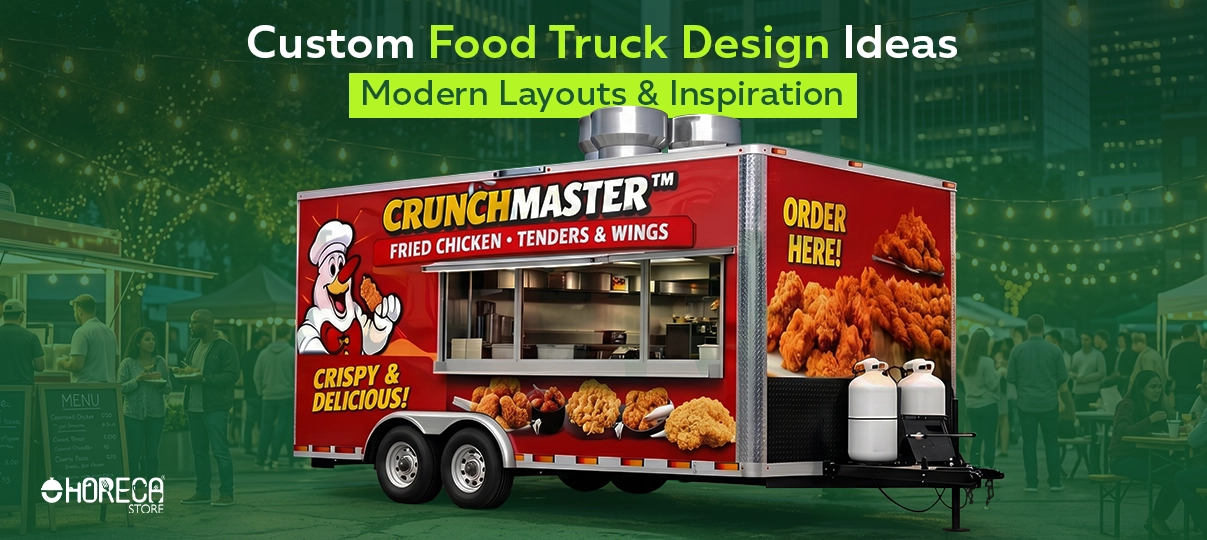
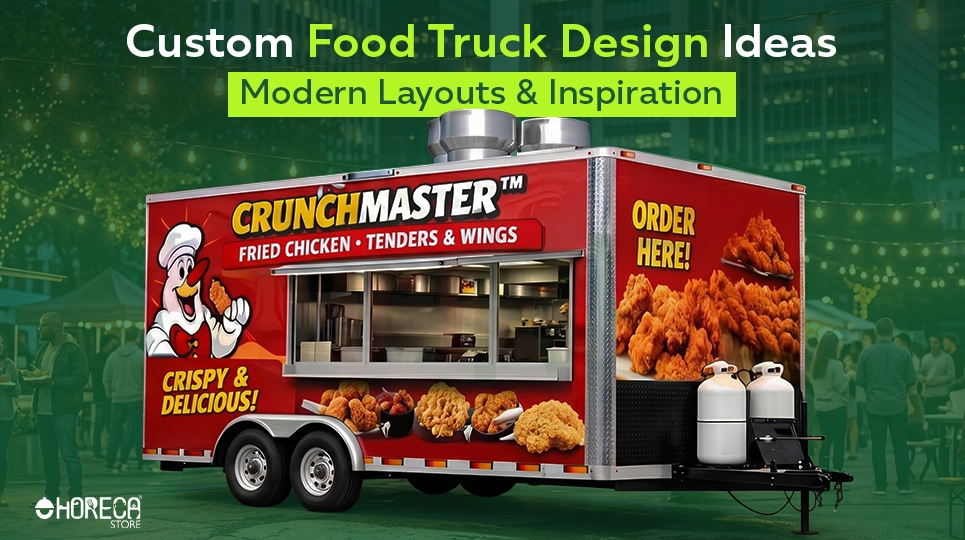
Table of Contents
The mobile food industry is experiencing a massive culinary renaissance. From bustling city corners to vibrant weekend festivals, the demand for gourmet, on-the-go meals has never been higher. If you are an aspiring chef or an established restaurateur looking to expand your footprint, the mobile food route offers a fantastic, lower-overhead alternative to brick-and-mortar dining.
When you make the decision to Shop Food Trailers and Trucks | Custom Mobile Builds, you are embarking on an exciting journey. However, stepping into the world of mobile catering involves much more than simply finding a vehicle and cooking. It requires strategic planning, a deep understanding of mobile kitchen design, and knowing exactly what type of rig suits your culinary vision.
In this comprehensive guide, we will explore everything you need to know about designing, buying, and launching a custom mobile food business today.

The Great Debate: Food Truck vs Food Trailer Pros and Cons
One of the first decisions you will face is choosing your vehicle type. Understanding the food truck vs food trailer pros and cons is essential for your business model.
- Pros: Highly mobile, all-in-one units. Whether it is a traditional American step van or a European-style food lorry, trucks are easy to park and move from one lunch spot to another.
- Cons: Higher initial cost. If the engine breaks down, your kitchen is out of commission while it is in the mechanic's shop.
Food Trailers:
- Pros: Generally offer more space and are more affordable. If your towing vehicle breaks down, you can simply rent or borrow another truck to pull your trailer.
- Cons: Driving and maneuvering a trailer food van requires practice, and you will need a reliable, heavy-duty towing vehicle.
Ultimately, if you plan to stay parked at a semi-permanent location, you might want to buy a concession trailer. If you plan to hit three different office parks in one day, a drivable food truck is likely your best bet.
Finding Your Perfect Rig: Where to Start
Once you know what type of vehicle you want, the next logical question is where to buy a food trailer or truck. The market is vast, and you have several avenues to explore.
New vs. Used
If you are on a tight budget, looking for used food trailers can save you thousands of dollars. A quick online search for a "food trailer for sale near me" or even a location-specific query like "food trailer for sale massachusetts" will yield numerous results on local marketplaces.
However, buying used comes with risks. It is absolutely crucial to use a comprehensive used food truck inspection checklist before handing over any cash. You must check for rust, verify the integrity of the axles, and test all existing appliances.
On the other hand, if you choose to buy new from reputable custom food trailer manufacturers, you get a blank canvas. You can purchase food trailers fully equipped to your exact specifications, covered by warranties and built to meet current codes.

Exploring Different Types of Mobile Kitchens
The beauty of the mobile food industry is the variety of setups available. Whether you are looking at small rigs or massive rolling kitchens, there is a perfect fit for every menu.
- Concession Trailers: Standard concession trailers are the workhorses of the industry. From a basic concession food trailers for sale listing to high-end models, they come in sizes ranging from 8 feet to over 30 feet.
- Specialty Porch Trailers: For BBQ pitmasters, a concession trailer with porch is a dream come true. The screened-in or open-air porch allows you to safely mount a heavy smoker or grill, complying with ventilation codes while putting on a visual show for customers.
- Food Carts: If you want to start small, finding a food cart for sale is a great entry point for selling hot dogs, coffee, or shaved ice.
- Cooking Trailers: Heavy-duty cooking trailers for sale are specifically reinforced to handle the weight and power demands of fryers, flat tops, and full-sized ovens.
- Concession Stand Trailers: Perfect for fairs and sporting events, concession stand trailers for sale are often designed with large, expansive serving windows for high-volume, rapid-fire sales.
Whether you are browsing food vending trailers for sale or exploring a hybrid food trucks trailer combination, your menu will ultimately dictate the vehicle you choose.
Designing the Ultimate Custom Mobile Kitchen
Knowing how to design a mobile kitchen layout is the secret sauce to a successful daily operation. An efficient layout prevents cooks from bumping into each other and ensures food gets out the window fast.
Essential Layout Tips:
- Ergonomic Workflow: Design your line from prep, to cook, to plate, to window. The flow should be linear.
- Appropriate Gear: Sourcing the right commercial kitchen equipment for food trucks is vital. You cannot use standard residential appliances; they will not survive the vibrations of the road. Ensure your food trailer equipment is commercial-grade and securely bolted down.
- Storage Solutions: Maximizing storage in small food trailers requires creativity. Utilize overhead shelving, magnetic knife strips, and under-counter refrigeration. Adding portable kitchen carts on wheels can provide modular prep space that can be tucked away when not in use.

Navigating the Technical Side of Custom Builds
Building a custom unit—such as a classic step van conversion for mobile catering—involves complex engineering. It is not just about making the vehicle look good; it is about safety and compliance.
Power and Plumbing
One of the most common pitfalls for new owners is underestimating power needs. You must calculate the exact generator power requirements for mobile kitchens by adding up the wattage of every appliance, light, and AC unit, and then adding a 20% buffer.
Water is equally important. Your build must feature NSF certified plumbing for food trucks, which includes a three-compartment sink, a separate hand-washing sink, a fresh water tank, and a grey water tank (which typically must be 15% to 50% larger than the fresh water tank).
Fire Safety
Working with hot oil and open flames in a small, enclosed space is inherently dangerous. Proper fire suppression system installation for food trailers is non-negotiable. Most municipalities require an Ansul (or similar) fire suppression system mounted directly above the cooking line, which automatically cuts off the gas supply and sprays fire retardant if temperatures spike dangerously high.
Budgeting, Financing, and Permits
Before you rush to buy food trailers or trucks, you need a firm grasp on the financials and legalities.
Breaking Down the Costs
The cost to build a custom food truck or trailer varies wildly. A basic, used trailer might cost $15,000, while a brand-new, fully customized step van with state-of-the-art equipment can easily exceed $150,000. When searching for food trailers for sale or any food trailer for sale, always factor in the cost of necessary modifications.
Financing Your Dream
If you don't have the cash up front, there are multiple financing options for mobile food businesses. Equipment financing, SBA (Small Business Administration) loans, and specialized lenders who deal explicitly in concession trailers for sale can help you secure the funds you need.
Navigating Red Tape
You cannot simply buy a rig and start cooking. You must understand the permits needed for operating a food truck in your specific city. Furthermore, strict mobile food business health department requirements dictate how your vehicle is built and maintained. Health inspectors will scrutinize everything from the surface materials of your walls (they must be smooth and easily washable) to the temperature of your hot water. Always take your local health department's guidelines to your builder before construction begins.

Standing Out: Branding Your Build
The mobile food market is competitive. Even if you have the best tacos or burgers in town, people eat with their eyes first. When you finally have your food trucks and trailers fully built, it is time to focus on aesthetics.
A high-quality vinyl wrap design for food truck branding acts as a rolling billboard. Your wrap should feature a clear, legible logo, mouth-watering colors, and social media handles so customers can find you again. Unlike paint, vinyl wraps protect the vehicle’s exterior and can be easily updated or replaced as your brand evolves.
Conclusion
Starting a mobile catering business is an exhilarating endeavor that blends culinary passion with entrepreneurial grit. Whether you are actively searching for a high-end food trailer for sale or looking to convert an old delivery vehicle, the key to success lies in preparation.
Take the time to weigh the pros and cons of different vehicle types, partner with experienced builders, and invest in a highly functional kitchen layout. By navigating the complexities of permits, financing, and custom design with patience and care, you will be well on your way to serving up success on the open road.
Now that you know what to look for, it is time to turn that dream menu into a reality, hit the streets, and start feeding the crowds!

About David Thompson
Commercial Kitchen Equipment Consultant
David Thompson is a commercial kitchen equipment consultant with over a decade of experience in the U.S. food service industry. He helps restaurant and food truck owners choose reliable equipment to maximize efficiency and long-term performance.
Frequently Asked Questions
A well-designed food truck improves kitchen efficiency, customer experience, and brand visibility. Smart layouts also help staff work faster and maintain better food safety standards.
The cost depends on truck size, kitchen equipment, branding, and customization needs. Basic designs may cost less, while fully customized trucks with premium finishes and advanced cooking equipment can cost significantly more.
Most food trucks use cooking equipment such as grills, fryers, prep stations, sinks, refrigeration units, ventilation systems, and storage shelves. Many owners also install a commercial refrigerator for safe food storage and efficient operations.
Choose a layout based on your menu, available space, and daily workflow. The design should allow staff to move comfortably while keeping cooking, prep, and serving areas organized.
Yes, food truck exteriors can be fully customized with wraps, logos, menu boards, colors, and lighting to attract customers and strengthen brand recognition.
Comments
0 comments
Login to Comment
Join the conversation! Please log in to share your thoughts.
No comments yet
Be the first to share your thoughts!