

Choosing the Right Commercial Ice Maker
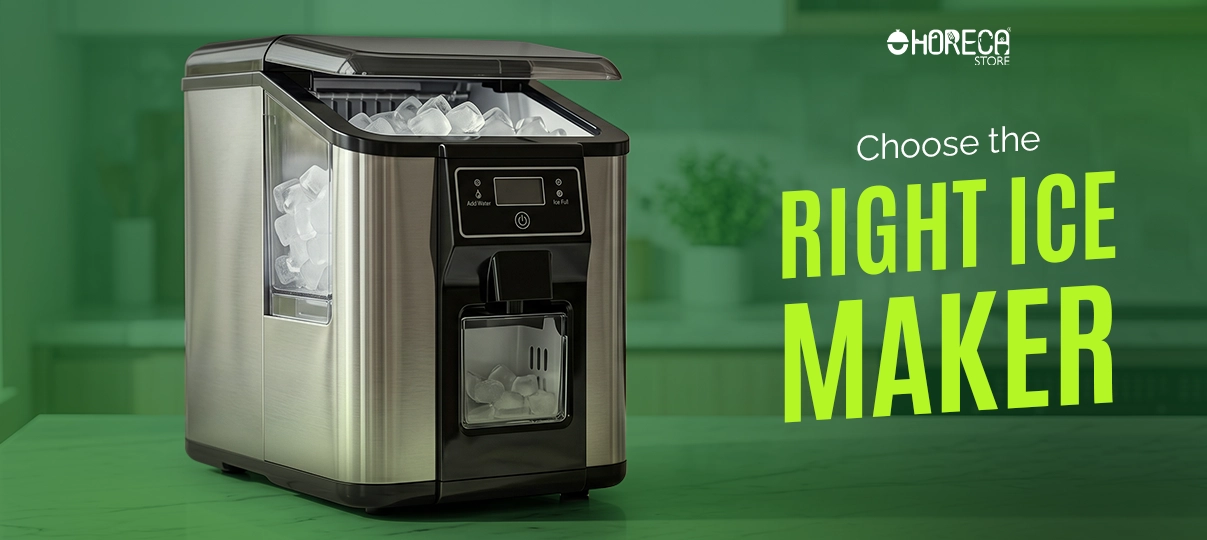
Table of Contents
We’ve all been there: a busy Friday afternoon, a line of thirsty customers, and the sinking realization that the bin is completely empty. While a home freezer might take hours to finish a single tray, a commercial ice maker operates as a high-performance engine designed to keep up with your heaviest rush. According to hospitality industry data, a standard café easily burns through 1.5 pounds of ice per customer. This reality makes "recovery speed"—the equipment's ability to quickly churn out fresh batches after being emptied—the critical difference between a smooth shift and a service disaster.
Ever wonder why professional drinks stay cold longer without getting watery? The secret lies in a specialized freezing process that creates superior ice density. Rather than freezing standing water all at once like a residential unit, restaurant ice makers freeze flowing water in continuous, chilled layers. In practice, this methodical approach pushes out trapped air bubbles and impurities, resulting in a dense, crystal-clear cube that melts slowly while protecting the beverage's original flavor.
Investing in the right ice production equipment requires looking past the shiny exterior to find a workhorse that fits your exact operational footprint. To avoid a costly mismatch, you must build your decision on three main pillars: choosing the ideal ice type for your menu, calculating your peak daily production volume, and mapping out hidden installation needs like floor drains and water filtration. Mastering these foundational choices transforms a frustrating daily chore into a reliable, set-it-and-forget-it advantage.
Selecting the Perfect Ice Shape for Your Drinks
Pouring a drink might seem simple, but your ice silently dictates profit margins and customer satisfaction. The secret is "displacement"—how much space ice takes up in a cup, leaving less room for expensive syrups and sodas. Equally important is the "melt rate," which determines how fast the ice turns back into water and waters down a beverage. Choosing the right shape is a strategic business decision.
Here is how the three primary shapes perform in the real world:
- Nugget Ice: Universally loved as "chewable ice," these porous pieces absorb beverage flavors perfectly. A nugget ice maker commercial unit helps cafes boost profits because the high displacement saves money on costly liquid ingredients.
- Flake Ice: When comparing nugget vs flake ice applications, flakes are flat, soft, and highly moldable. They pack tightly together without bruising products, making them ideal for grocery seafood displays or medical clinics rather than daily drinks.
- Cube Ice: Traditional full or half cubes feature a very slow melt rate. They are the gold standard for high-end bar service where preventing quick drink dilution is essential.
Finding the ideal match transforms this simple appliance into a tool for building better margins. Whether you are seeking the best nugget ice machines for business or sizing up a cube machine for a lounge, your next step is ensuring you never run empty during a rush.

How to Calculate Your Daily Ice Production Requirements
Avoiding a mid-shift ice shortage starts by understanding the difference between your unit's "Head" (the engine making the ice) and the "Bin" (the insulated storage box). When reading an ice maker buying guide, you will notice machines are rated by their 24-hour production cycle. But a machine producing 500 pounds daily won't survive a sudden lunch rush if your commercial ice bin storage capacity holds only 100 pounds. You need a bin large enough to stockpile ice for peak hours, paired with a head that refills it quickly.
Calculating your daily ice production capacity requirements requires a realistic headcount, not complex math. Planners rely on simple industry averages to estimate baseline daily needs:
- Restaurants: 1.5 lbs of ice per seat
- Bars: 3 lbs of ice per seat
- Hotels: 5 lbs of ice per room
Once you calculate this baseline, always add a 20% safety buffer. Ice machines are sensitive to ambient temperatures and will naturally produce less ice during summer heatwaves—exactly when your customers demand more cold drinks.
Securing the correct size guarantees you can handle the rush, but the appliance must also function efficiently in your specific building. The method your machine uses to shed internal heat directly impacts its output and lifespan.
Air Cooled vs. Water Cooled: Picking the Right Engine for Your Room
Every time your commercial machine freezes water, it generates a significant amount of heat. The component responsible for pushing this heat out is called the condenser. When evaluating air cooled vs water cooled condensers, air-cooled units are the overwhelming favorite for most businesses. They work just like your laptop's fan, blowing hot air away to prevent the internal engine from overheating. Because they rely on surrounding room air rather than constantly piping in fresh water, they keep your utility bills drastically lower and represent the best ice machines on the market today.
Shoving an air-cooled unit into a cramped, unventilated space is a guaranteed way to ruin your ice maker efficiency. Since these machines exhaust warm air, they require an absolute minimum of six inches of physical clearance on all sides to breathe properly. Trapping a unit against a wall or inside a tight cabinet means it will constantly recycle its own hot exhaust. This forces the engine to work twice as hard, significantly slowing down daily ice production and inviting expensive maintenance breakdowns.
Extreme physical environments sometimes demand a different approach entirely. If your equipment lives in a sweltering commercial kitchen where ambient temperatures regularly exceed 100 degrees Fahrenheit, a water-cooled machine becomes necessary. These units run continuous cold water through the system to absorb heat, operating quietly but massively increasing your monthly water bills. Once you determine how your engine stays cool.

Modular, Undercounter, or Dispenser: Fitting the Machine to Your Space
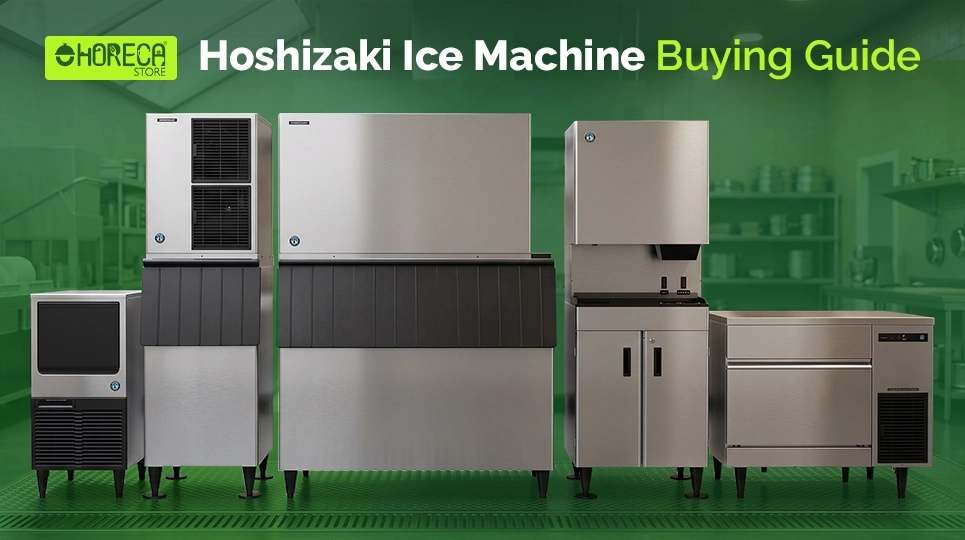
Having figured out how your machine breathes, the next challenge is deciding where it actually lives. Space is often the biggest hurdle for a small café or busy pub. If you are squeezed for room, self-contained ice maker units are your best bet. These combine the ice-making engine and the storage bin into one convenient box. By using undercounter ice machines for bars or cramped breakrooms, you keep the ice exactly where the staff needs it without sacrificing valuable floor space.
When evaluating your physical footprint, the industry categorizes machines into three distinct setups to match your daily routine:
- Undercounter (Space Saving): All-in-one units perfect for tight spots and moderate daily production needs.
- Modular (High Volume): For heavy demands exceeding 500 pounds of ice a day, you will need modular ice machine heads. These are just the production engines, meaning you must purchase a separate, large storage bin to sit directly underneath them to catch the massive output.
- Countertop/Dispenser (Self-Service): If your customers are getting their own ice, an ice dispenser for hotel hallways or cafeteria counters prevents hands from digging into a communal bin, ensuring absolute hygiene and portion control.
Selecting the perfect shape keeps your daily operations running effortlessly, whether you need a massive modular setup in the back kitchen or a sleek dispenser out front. However, physically fitting the box into your room is only half the installation battle.
Managing Drains and Filters to Prevent $500 Repair Calls
Plugging your new equipment in is exciting, but ignoring how water moves through it invites a massive commercial ice maker repair bill. First-time buyers often forget these units constantly cycle fresh water in and flush melted waste out. You must account for two distinct plumbing connections: a pressurized incoming water line feeding the system and a separate drainage line carrying excess runoff away.
Removing that waste depends entirely on your room's layout and your specific ice machine drainage and plumbing needs. Think of gravity like a playground slide; liquid must always travel downhill. If your floor drain sits lower than the appliance, a standard gravity drain works perfectly. However, if the nearest pipe is higher up on a wall, you must install an electric drain pump to actively push the water up and out of the bin.
Before water even reaches the freezing plate, invisible minerals threaten the heart of your equipment. Hard water creates scale buildup, a chalky white residue that ruins drink flavors and forces internal motors to overheat. Installing dedicated water filtration systems for ice makers is absolutely non-negotiable for protecting your investment. As a reliable rule of thumb, changing these filters every six months extends your machine's lifespan by 50 percent while guaranteeing crystal-clear cubes.
Mastering these basic utility setups turns a delicate appliance into a dependable daily workhorse for your business. When water flows flawlessly and minerals are stripped away, sudden shutdowns become incredibly rare.
Troubleshooting Why Your Machine Isn't Making Ice
Opening the storage bin only to find a puddle of water is a nightmare for any operator. When asking why is my ice machine not making ice, the culprit is often right on the surface. Air-cooled units need a steady flow of room-temperature air to breathe, but dust quickly clogs their intake vents. Performing a monthly air filter cleaning removes this suffocating dust blanket, preventing the internal motors from overheating and shutting down the system.
Look deeper inside the unit, and you will inevitably encounter scale—the absolute number one cause of mechanical failure in these appliances. This chalky white mineral buildup coats the evaporator plate (the chilled metal grid where water actually freezes), acting as insulation that blocks the cold and halts production. If your unit unexpectedly stops working, run through this quick diagnostic checklist:
- Power/Water check: Ensure the plug is secure and the water valve is fully open.
- Air filter check: Wash away heavy dust blocking the external vents.
- Scale check: Look for crusty white buildup on the internal freezing plates.
- Room temperature check: Confirm the surrounding room isn't stiflingly hot.
Relying on routine preventive maintenance for ice machines keeps these sudden breakdowns at bay. While you can easily wash external filters yourself, you must set a semi-annual schedule for professional descaling and sanitizing. A trained technician knows exactly how to clean commercial ice equipment without scratching delicate components or leaving chemical tastes behind. Consistent upkeep ensures your equipment reaches its maximum operational lifespan.
Your 3-Step Action Plan for Purchasing Your First Unit
You now possess the insight to look past the shiny exterior of commercial ice machines and evaluate them like a true professional. Rather than guessing at capacity, you can confidently base your selection on your absolute busiest day, not just an average afternoon. By locking down the right ice type and matching production limits to your peak operational hours, you immediately eliminate the risk of making a frustrating $3,000 mistake.
Your next step is to execute a quick site survey before clicking the buy button. Grab a tape measure to verify your floor space, then firmly double-check your available power outlets, water supply lines, and drainage setup. Conducting a smart ice maker comparison means matching these vital utilities to the machine's specific requirements, ensuring your new equipment has the exact environment it needs without expensive plumbing surprises.
You no longer view an ice maker as just a large freezer, but as a dedicated engine driving your daily success. As you finalize your choice, prioritize Energy Star rated ice equipment to maximize your long-term efficiency and save up to $150 per year in electricity. You are fully equipped to choose a reliable system that effortlessly delivers perfect ice exactly when your customers need it most.


About Mike Anderson
Commercial Refrigeration & HORECA Industry Expert
The author is a seasoned specialist in commercial refrigeration systems, sharing practical insights to help hospitality businesses select the right equipment for efficiency, food safety, and long-term cost savings. With over 15 years of industry experience, he stays updated on global trends in energy-efficient and sustainable cooling solutions.
Frequently Asked Questions
The right size depends on how much ice your business uses daily. Small cafés may need 100–300 lbs of ice per day, while busy restaurants, bars, and hotels often require 500 lbs or more daily. Experts commonly recommend adding extra capacity for peak demand.
Common commercial ice maker types include modular ice machines, undercounter ice makers, countertop units, nugget ice machines, flake ice machines, and cube ice makers. Each type is designed for different operational needs and serving styles.
Cube ice is one of the most popular options for restaurants because it melts slowly, keeps drinks cold longer, and works well for beverages and foodservice operations.
Nugget ice is soft, chewable, and commonly used for soft drinks, smoothies, healthcare facilities, cafés, and specialty beverages. It is popular because customers enjoy its texture and fast cooling ability.
Air-cooled ice makers use surrounding air to cool the system and are generally more energy efficient. Water-cooled machines operate more quietly but typically consume more water and may increase operating costs.
Comments
0 comments
Login to Comment
Join the conversation! Please log in to share your thoughts.
No comments yet
Be the first to share your thoughts!