

Chest Freezer vs Upright Freezer – Which Is Better for Restaurants?
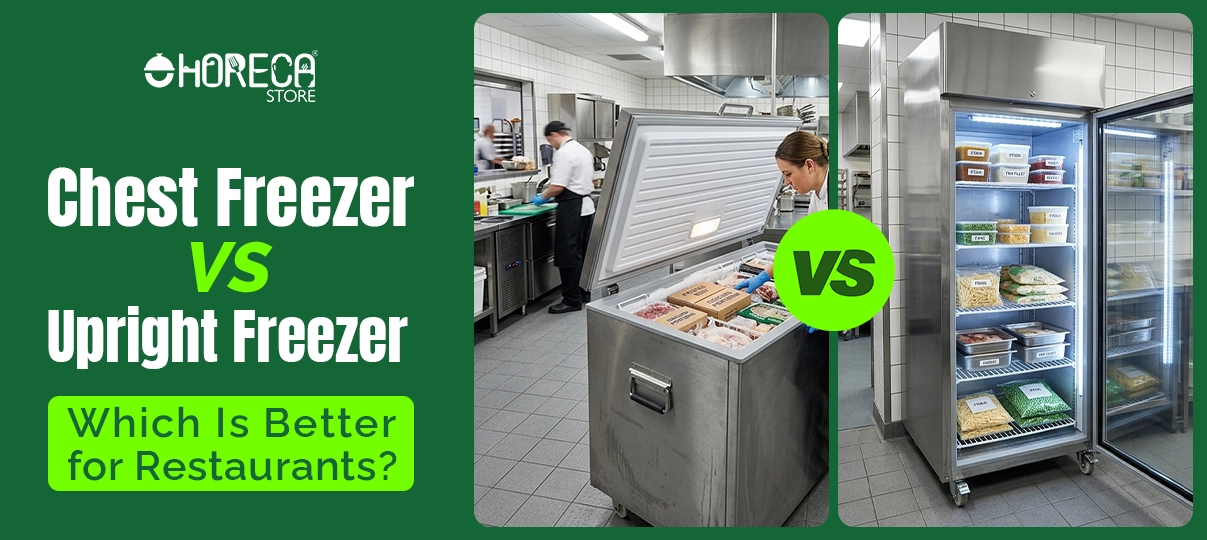
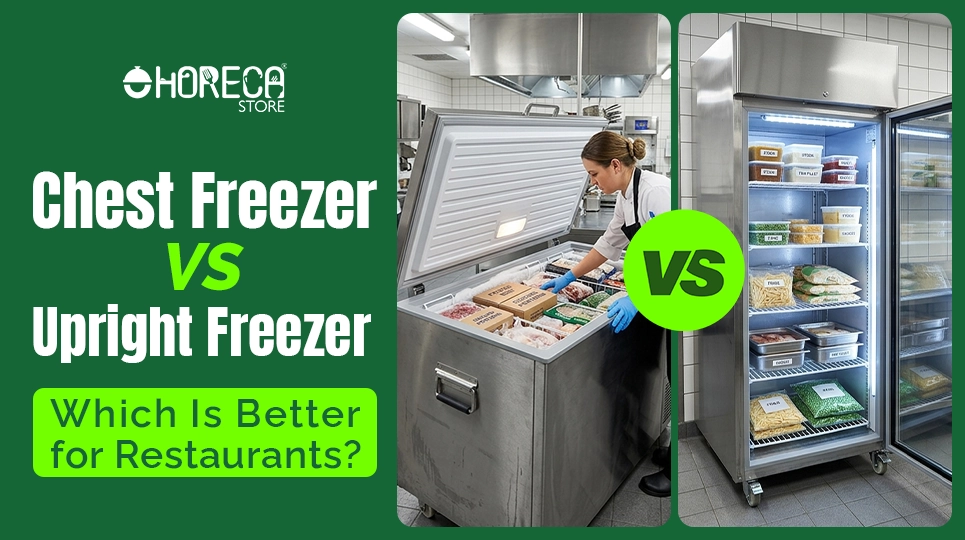
Table of Contents
Choosing the right freezer is crucial for restaurant success. It impacts food quality, storage efficiency, and operational costs.
Restaurant owners often face a choice between chest freezers and upright freezers. Each type offers unique benefits and challenges.
Chest freezers are known for their spacious interiors. They provide ample room for bulk storage, making them ideal for large items.
Upright freezers, on the other hand, offer easy access. Their vertical design allows for better organization and quick retrieval of items.
Energy efficiency is another key consideration. Chest freezers typically consume less energy, maintaining a consistent temperature.
However, upright freezers often feature automatic defrost, reducing maintenance time. This can be a significant advantage in busy kitchens.
Space constraints also play a role in decision-making. Upright freezers take up less floor space, which is beneficial for smaller kitchens.
Cost is another factor. Chest freezers generally have a lower initial cost, but upright freezers may incur higher operating expenses.
Ultimately, the choice depends on specific restaurant needs. Understanding the differences can help make an informed decision.
Understanding Freezer Storage Solutions for Restaurants
Effective freezer storage solutions are essential for restaurant operations. They ensure food safety, quality, and help manage inventory effectively.
Restaurants require versatile storage that adapts to their menu and volume of business. Freezers must balance capacity, accessibility, and energy efficiency.
Both chest and upright freezers can meet these needs, but they offer distinct advantages. Understanding these differences helps in selecting the best option.
Consider the following factors when evaluating freezer storage solutions:
- Capacity: How much storage space is required?
- Accessibility: How often will items need to be accessed?
- Energy Efficiency: What are the long-term energy costs?
- Space: How much kitchen floor space is available?
- Cost: What is the budget for initial purchase and maintenance?

Planning for peak usage times and menu changes is also important. Seasonal menus may require additional freezer space to accommodate new ingredients.
Lastly, regular maintenance ensures reliability and prevents food spoilage. Choosing the correct freezer is more than a purchase; it’s about ensuring operational excellence.
Chest Freezer Overview: Features, Benefits, and Drawbacks
Chest freezers are a popular choice in many restaurants. They are often seen as efficient and cost-effective storage solutions.
These freezers offer substantial storage in a compact footprint. Their horizontal design utilizes space effectively.
Features of Chest Freezers:
- Single Compartment Design: Maximizes storage space.
- Manual Defrost: Helps maintain a consistent internal temperature.
- Removable Baskets: Aid in organizing smaller items.

The benefits of using a chest freezer are numerous. They are known for their energy efficiency. This type of freezer consumes less energy due to the manner in which it holds cold air.
Chest Freezer Benefits:
- Energy Efficiency: Consumes less electricity than uprights.
- Superior Cold Retention: Keeps food frozen longer during power outages.
- Cost-Effective: Typically lower initial costs and reduced operating expenses.
However, chest freezers also come with drawbacks. They can be difficult to organize, particularly for a busy kitchen. Reaching items at the bottom might require physical effort and time.
Drawbacks of Chest Freezers:
- Difficult Access: Items at the bottom can be hard to reach.
- Higher Space Requirement: Needs more floor space compared to upright freezers.
- Manual Defrosting: Requires periodic maintenance to manage ice buildup.
Despite these potential issues, chest freezers are ideal for bulk storage. They are particularly useful for items that do not need frequent access.
Considering these factors, it’s clear why many restaurants choose chest freezers. They combine capacity and efficiency in a sturdy format.
In conclusion, chest freezers provide reliable long-term storage for restaurants needing to maximize their storage budget. Understanding both the advantages and limitations will assist in making informed decisions.
Upright Freezer Overview: Features, Benefits, and Drawbacks
Upright freezers are a common sight in modern restaurant kitchens. Their vertical design makes them an attractive option where space is limited. They offer a compact solution without sacrificing essential storage features.
Features of Upright Freezers:
- Vertical Shelving: Easily organizes a variety of food products.
- Automatic Defrost: Reduces the need for manual maintenance.
- Adjustable Shelves: Allows for customization to fit different items.
These features contribute significantly to the appeal of upright freezers. One of their primary benefits is their easy access. Restaurants can quickly grab ingredients, making them highly practical in fast-paced environments.
Benefits of Upright Freezers:
- Space Efficiency: Takes up less floor space with a vertical layout.
- Quick Access: Streamlines kitchen operations by enabling rapid food retrieval.
- Modern Design: Often complements contemporary restaurant decor.
Upright freezers also have modern aesthetics, which can enhance kitchen design. They are useful for restaurants with open kitchen concepts where appearance matters.
Yet, not every feature is positive. Upright freezers tend to have a higher initial cost. They also consume more energy due to frequent door openings that allow cold air to escape.
Drawbacks of Upright Freezers:
- Higher Operating Costs: Potentially more energy use compared to chest freezers.
- Limited Cold Retention: Less efficient during power outages due to quick temperature rise.
- Premium Price: Typically higher purchase price.
Moreover, upright freezers may require more frequent maintenance. The automatic defrost system, though convenient, can lead to slightly higher running costs.
Restaurants need to consider these factors when choosing between freezer types. Upright freezers are especially suitable for frequent access to items. This can be a decisive factor for establishments with high turnover.
In conclusion, upright freezers offer a blend of convenience and style. They present a compelling choice for restaurants balancing space constraints with the need for efficiency. Evaluating the pros and cons can guide restaurants to an informed purchase decision.
Space Considerations: Footprint, Placement, and Accessibility
Choosing a freezer impacts the layout and efficiency of a restaurant kitchen. Space constraints are a critical factor in this decision. Freezers must be placed where they don't obstruct operations.
Footprint Comparison
Chest freezers often take up more floor space due to their horizontal design. They require adequate clearance for the lid to open fully. This can be a limitation if floor space is already tight.
Upright freezers, however, utilize vertical space effectively. Their compact footprint makes them ideal for narrow spots. They can fit into corners or between other appliances seamlessly.
Placement Tips
Proper placement enhances workflow and access to stored items. Consider locating freezers near prep areas for quick retrieval of ingredients. This minimizes time spent moving between the freezer and workstations.
Restaurants with limited space may benefit from stacking options. While most upright models allow for stacking, chest freezers do not offer this flexibility. Thus, placement should accommodate the freezer's dimensions and functional needs.
Accessibility Insights
Accessing items is crucial during busy service times. Upright freezers provide straightforward access through doors that open towards the user. Everything stored is typically at chest or eye level.
Conversely, chest freezers may pose challenges for fast access. Digging through layers can be inefficient, especially during a rush. Consider the frequency of use when deciding which freezer design best suits your restaurant.

Summary of Space Considerations:
- Footprint: Evaluate floor and vertical space availability.
- Placement: Ensure easy access and workflow efficiency.
- Accessibility: Choose based on frequency and type of use.
Thoughtful consideration of space and accessibility can significantly influence how well a freezer fits into your restaurant environment. By assessing these aspects, restaurants can optimize their kitchen layout and improve operational efficiency.
Storage Capacity and Organization: Which Freezer Fits Your Needs?
Storage capacity is a vital aspect of freezer functionality in restaurants. Depending on the menu and frequency of deliveries, storage needs may vary.
Understanding Capacity Differences
Chest freezers generally offer more space compared to their upright counterparts. Their open design allows for maximizing capacity. Large, irregularly shaped items fit comfortably inside.
Upright freezers typically provide less total volume. However, their vertical shelving helps utilize space efficiently. This makes them suitable for restaurants needing organized, compartmentalized storage.
Organizational Strategies
Effective organization can enhance storage capacity and efficiency. Here are suggestions for each freezer type:
Chest Freezer Organization Tips:
- Use baskets or dividers to categorize items.
- Label sections to avoid time-consuming searches.
- Store frequently used items at the top for easy access.
Upright Freezer Organization Tips:
- Assign specific shelves for different product types.
- Rotate stock regularly to maintain freshness.
- Implement a clear labeling system.
Consideration of Items Stored
The type of items stored can influence the choice between chest and upright freezers. If storing bulky items like whole cuts of meat, a chest freezer may be more suitable. For packaged goods and prepared meals, upright freezers offer better organization.

Summary of Storage Needs:
Choosing the right freezer depends on balancing capacity and organization. Restaurants should consider:
- The volume and variety of items stored.
- The need for organization and quick access.
- The capacity to improve workflow and minimize waste.
Understanding these factors helps determine which freezer best aligns with the operational goals of a restaurant. Thoughtful selection ensures that storage solutions cater effectively to both current and future needs.
Energy Efficiency and Operating Costs
When selecting a freezer for restaurant use, energy efficiency is a critical concern. Energy-efficient appliances help save money over time and reduce environmental impact.
Comparing Energy Use
Chest freezers tend to be more energy-efficient than upright freezers. Their design allows for better temperature retention when the lid is opened. The cold air, being denser, tends to stay put, reducing the need for the compressor to work overtime.
Upright freezers often consume more electricity. Opening the vertical doors causes cold air to escape more rapidly. Consequently, these freezers may cycle on and off more frequently, raising energy costs.
Evaluating Cost Implications
Lower energy consumption translates directly into reduced operating costs. While the initial purchase price of a chest freezer might be higher, the savings in utility bills can offset this over time. Energy costs should be considered in the budget for long-term financial planning.
Energy Efficiency Tips:
- Check the Energy Star rating on potential models.
- Regularly maintain seals and hinges to minimize energy loss.
- Avoid overloading freezers to ensure efficient airflow.

Long-term Savings
Investing in energy-efficient models is beneficial for future savings. Restaurants looking to minimize their operational costs should prioritize freezers with higher energy ratings.
Final Considerations
Remember that not all freezers are built alike. Researching energy efficiency can yield significant savings. Choose based on both the immediate needs and anticipated long-term expenses to optimize your investment.
Optimal energy usage not only assists in cutting costs but also supports environmental responsibility. A wise choice contributes to sustainable business practices, benefiting both the restaurant's bottom line and the planet.
Maintenance, Cleaning, and Longevity
Maintenance Needs
Regular maintenance is crucial for both chest freezers and upright freezers to function efficiently. Maintenance efforts ensure the longevity and reliability of your equipment, which is essential for a restaurant setting where efficiency is paramount.
Chest freezers generally require less maintenance. They often come without complex defrost systems, meaning fewer parts that can fail. However, they might need manual defrosting occasionally to prevent ice build-up.
In contrast, upright freezers often include automatic defrost features. While these simplify operations, they can demand more frequent servicing. It's vital to monitor them to prevent mechanical issues from interrupting business.
Cleaning Routines
Consistent cleaning maintains freezer efficiency and sanitation. Both types benefit from periodic cleanouts and wiping down interiors to prevent food spills and odors. Yet, due to their design, chest freezers may need more effort to clean thoroughly.
Cleaning Tips:
- Unplug the freezer before cleaning.
- Use mild detergent and warm water.
- Allow to dry completely before replugging.

Enhancing Longevity
The lifespan of a freezer directly relates to how well it is maintained. Using it according to the manufacturer's guidelines, regularly cleaning it, and timely addressing any mechanical issues can significantly extend its life.
Final Points
Proper upkeep not only ensures optimal performance but also protects your investment. Regular maintenance and cleaning not only lower operating costs but also extend the freezer's service life, providing long-term benefits for the restaurant. Prioritizing these tasks will result in fewer disruptions and enhanced efficiency in kitchen operations.
Food Safety and Temperature Consistency
Ensuring food safety is a paramount concern in every restaurant kitchen. A freezer's ability to maintain a constant temperature is crucial for preventing spoilage. Both chest and upright freezers have unique attributes in this regard.
Chest freezers typically excel in temperature consistency due to their design. Their lid keeps cold air trapped inside, maintaining a stable environment. This makes them especially reliable during short power outages.
In contrast, upright freezers can lose cold air when the door is opened. This fluctuation may affect temperature stability. However, many models have advanced features to quickly restore optimal temperatures.
Tips for Ensuring Temperature Consistency:
- Regularly check internal thermostat settings.
- Avoid frequent door/lid openings.
- Organize for quick access to minimize open times.

Ultimately, maintaining steady temperatures is key to food safety. Choosing a freezer with strong insulation and efficient cooling features will help secure the quality and safety of stored food. Both types can meet safety standards, but their effectiveness depends on usage patterns and model features.
Cost Comparison: Initial Investment and Long-Term Value
Investing in a freezer involves considering both upfront costs and long-term expenses. Chest freezers are usually less expensive initially. Their simple construction keeps purchase costs down, making them attractive for budget-conscious restaurateurs.
In contrast, upright freezers often come with a higher price tag due to added features. Elements like automatic defrosting and improved shelving contribute to this. However, these conveniences might justify the initial cost for some businesses.
Long-term value also requires attention to operational expenses. Chest freezers are generally more energy-efficient. This can mean lower electricity bills over time, adding to their appeal.
Key Cost Comparison Points:
- Initial Price: Chest freezers generally cheaper.
- Operational Costs: Chest freezers often cheaper to run.
- Features vs. Cost: More features often mean higher costs.

Choosing between the two involves balancing features, initial costs, and operating efficiency. Carefully weigh these factors against your restaurant's specific needs and budget constraints to make an informed decision.
Suitability for Different Restaurant Types and Use Cases
Different types of restaurants may benefit from different freezer options. Each style of cuisine has specific storage requirements. A chest freezer might suit a buffet-style restaurant storing large volumes of ingredients.
On the other hand, an upright freezer could serve a fine dining establishment well. These restaurants often need quick, organized access to speciality ingredients. The shelving in upright models facilitates this type of arrangement.
Consider the pace and style of service when choosing a freezer. Fast-paced restaurants may find the organization in uprights beneficial. Meanwhile, chest freezers are perfect for storing bulk ingredients that don't require frequent access.
Freezer Suitability by Restaurant Type:
- Buffet Restaurants: Favor chest freezers for bulk storage.
- Fine Dining: Benefit from upright freezers for organized access.
- Fast Casual: May prefer upright models for their accessibility.

Ultimately, the choice depends on your restaurant's menu, service style, and storage needs. Matching your freezer type to your operational requirements can enhance efficiency and service quality.
Key Factors to Consider When Choosing a Freezer for Your Restaurant
Choosing the right freezer for your restaurant involves careful consideration. Several factors play a critical role in making the best choice. Understanding these elements can lead to better investment and efficiency.
Think about the available space in your kitchen. The footprint of the freezer impacts placement and movement. You need enough room for staff to work comfortably.
Energy efficiency is another important factor. The operating costs over the freezer's lifespan can add up. Consider models with high energy ratings for potential savings.
The type of food stored will also influence your decision. For instance, bulky frozen items suit chest freezers, while smaller, frequently accessed ingredients favor upright models.
Consider These Factors:
- Kitchen Space: Evaluate the available space for freezer placement.
- Energy Efficiency: Look for models with high energy ratings.
- Storage Needs: Match food type with appropriate freezer style.
Evaluating these factors helps ensure the freezer meets your restaurant's demands, while also controlling costs. Making an informed choice now will benefit your operations in the long run.
Conclusion: Making the Right Choice for Your Restaurant
Choosing between a chest freezer and an upright freezer depends on your restaurant's specific needs. Each type offers distinct benefits and some drawbacks. Chest freezers are ideal for bulk storage, providing ample space and energy efficiency. Their ability to keep food frozen longer during power outages is a key benefit.
Conversely, upright freezers offer convenience in organization and access. They can fit better in smaller spaces, thanks to their vertical design. Despite potential higher operating costs, their automatic defrost features save time on maintenance tasks. When space is limited, an upright freezer might be the smarter choice.
It's essential to weigh factors like storage needs, floor space, and budget. Consider how frequently you access specific items and the size and layout of your kitchen. Both freezer types vary in size and features, so evaluate options carefully.
Key Decision-Making Factors:
- Storage Needs: Bulk storage vs. frequent access
- Space Available: Horizontal vs. vertical footprint
- Cost Concerns: Initial vs. long-term expenses
Balancing these factors will help you select the optimal freezer for your restaurant's unique demands.

About Mike Anderson
Commercial Refrigeration & HORECA Industry Expert
The author is a seasoned specialist in commercial refrigeration systems, sharing practical insights to help hospitality businesses select the right equipment for efficiency, food safety, and long-term cost savings. With over 15 years of industry experience, he stays updated on global trends in energy-efficient and sustainable cooling solutions.
Frequently Asked Questions
Chest freezers offer more open storage space, while upright freezers provide easier access with shelves.
Chest freezers are typically more energy-efficient due to their design and ability to maintain temperature.
Generally, chest freezers have a lower initial cost compared to upright models.
Upright freezers are often preferred for smaller spaces due to their vertical build.
Upright freezers offer better organization options with shelves and compartments.
Comments
0 comments
Login to Comment
Join the conversation! Please log in to share your thoughts.
No comments yet
Be the first to share your thoughts!