

Best Pizza Ovens for Restaurants in 2026
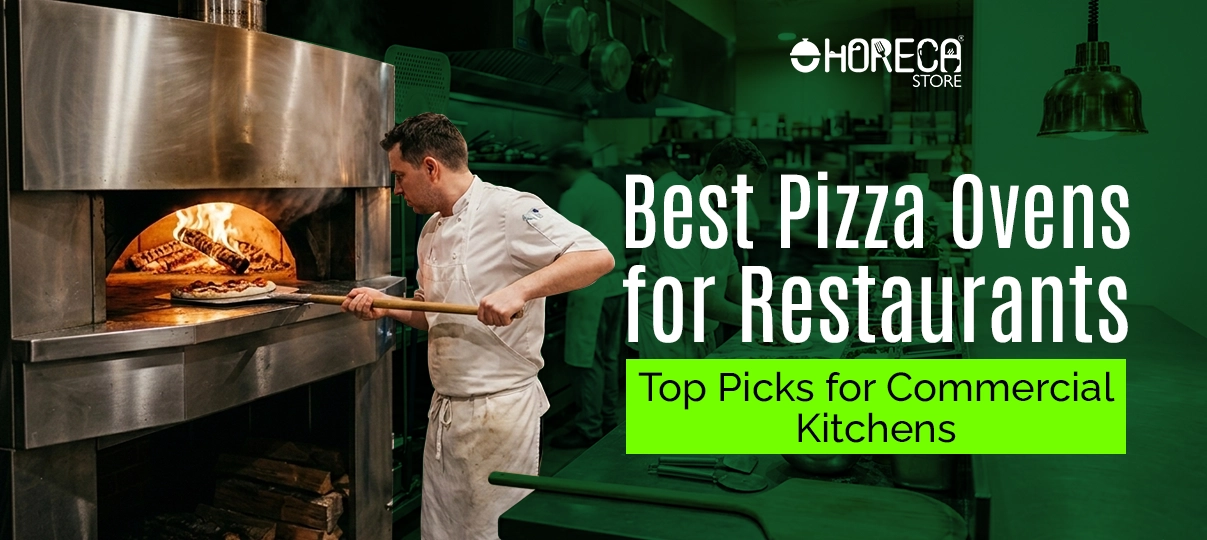

Table of Contents
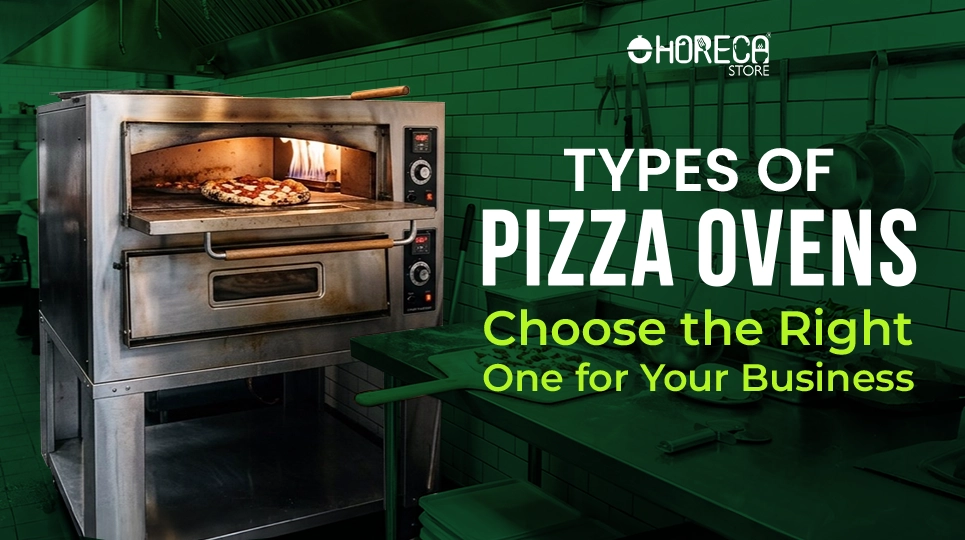
Pizza is a beloved dish worldwide. Its popularity continues to grow, especially in restaurants.
Choosing the right pizza oven is crucial for any restaurant. It impacts both the quality and efficiency of pizza production.
In 2026, the market for pizza ovens is more diverse than ever. New technologies and designs are emerging.
Restaurant owners and chefs face many choices. From wood-fired to electric, each type offers unique benefits.
Energy efficiency is a key consideration. Modern ovens are designed to reduce operational costs significantly.
Technological advancements are transforming pizza ovens. Smart features and automation are becoming standard.
The right oven can enhance a restaurant's menu. It can also improve customer satisfaction and loyalty.
Investing in a high-quality pizza oven is a strategic decision. It can lead to long-term savings and increased revenue.
This guide will explore the best pizza ovens for restaurants in 2026. We will review top brands and models.
Our aim is to help you make an informed decision. Whether upgrading or purchasing new, this guide is for you.

Why Choosing the Right Pizza Oven Matters in 2026
The pizza oven is the heart of any restaurant offering this iconic dish. It's more than just a cooking appliance; it's a cornerstone of quality and efficiency.
Selecting the right oven can transform kitchen operations. It allows chefs to produce consistent, high-quality pizzas that delight customers every time.
Today's ovens offer diverse features that adapt to different restaurant needs. From speed to design, the right choice impacts both service and sales.
Energy consumption is another critical factor. Modern ovens with energy-efficient technologies drastically cut utility bills. This is especially important with rising energy costs.
Furthermore, the choice of oven affects the kitchen's workflow. An efficient oven integrates seamlessly into operations, boosting productivity.
Modern pizza ovens also offer versatility. They are capable of cooking more than just pizzas, catering to wider menu options.
For these reasons, choosing the right pizza oven is essential. Key considerations include:
- Type (wood-fired, gas, electric, conveyor)
- Energy efficiency
- Cooking capacity and size
- Technological advancements
- Durability and maintenance requirements
The influence of the oven extends beyond the kitchen. It impacts the entire dining experience, from wait times to food quality.

Types of Pizza Ovens for Restaurants: Pros and Cons
Choosing the right type of pizza oven is crucial for restaurant success. Each type offers distinct advantages and drawbacks.
Wood-Fired Pizza Ovens
Wood-fired ovens are traditional and add unique flavor. They offer high temperatures that create a perfect crust.
However, they require more maintenance. Chefs need to manage the wood, which demands skill and patience.
Pros:
- Unique, smoky flavor
- High cooking temperatures
Cons:
- Requires skilled operation
- High maintenance
-

Gas Pizza Ovens
Gas ovens offer efficiency and ease of use. They're quicker to heat and maintain consistent temperatures.
The flavor may not match wood-fired ovens. However, their ease of control makes them popular in busy kitchens.
Pros:
- Easy temperature control
- Faster heat-up time
Cons:
- Less traditional flavor
- Needs gas connection

Electric Pizza Ovens
Electric ovens are versatile and compact. They fit into smaller spaces, making them ideal for limited kitchen areas.
However, they may have higher energy costs. Despite this, their convenience and precision are appealing.
Pros:
- Compact size
- Precise temperature control
Cons:
- Potential higher energy costs
- Limited flavor profile
Conveyor Pizza Ovens
Conveyor ovens are perfect for high-volume operations. They provide consistency and speed, ideal for quick-service settings.
They're bulkier, taking up more space. Their uniform cooking can be a pro or a con depending on the desired pizza style.
Pros:
- High throughput
- Consistent cooking
Cons:
- Bulky size
- Less traditional style
Making the right choice depends on your restaurant's needs. Consider your kitchen's space, volume of orders, and desired pizza style. Balancing these factors ensures you select an oven that elevates your restaurant's offerings.
Key Features to Consider When Buying a Pizza Oven
Choosing the right pizza oven involves understanding specific features. Each feature impacts performance and suitability for different kitchens.
Cooking Speed and Efficiency
Speed is crucial in busy restaurant settings. An efficient oven can reduce wait times and improve service during peak hours.
Choosing an oven with quick preheat options can boost turnover. This feature is especially vital for high-traffic establishments.
Size and Capacity
Consider the volume of pizzas your restaurant handles daily. A larger oven may suit high-volume operations, while smaller models fit limited-space kitchens.
Space-efficient ovens can adapt to smaller kitchens. Think about long-term needs and potential growth when selecting oven size.
List of Key Size Considerations:
- Available kitchen space
- Daily pizza production volume
Temperature Control and Range
Temperature variability is important for diverse pizza styles. An oven with a wide temperature range can accommodate different recipes.
Look for ovens with precise control features. This functionality helps in maintaining consistent pizza quality.
Energy Efficiency
Energy costs can impact your bottom line significantly. Opting for energy-efficient models can reduce utility expenses over time.
Benefits of Energy-Efficient Ovens:
- Lower operational costs
- Environmentally friendly operation
Technological Features
Modern ovens come equipped with advanced features. Smart technologies provide remote monitoring and precision.
Consider ovens with digital displays and programmable settings. Such features enhance control and operational convenience.

Durability and Build Quality
Investing in a well-built oven ensures longevity. Durable materials withstand high temperatures and extensive use.
Check for quality construction and materials. Durable ovens often offer better long-term value.
Safety Features
Safety is paramount in a bustling kitchen environment. Features like cool-touch exteriors and alarms enhance safety.
Evaluate the safety mechanisms in place. These features can prevent accidents and promote a safe working environment.
Selecting an oven is more than a purchase—it's an investment. These key features can guide you toward a decision that enhances your restaurant's capability.
Technological Innovations in Pizza Ovens for 2026
The year 2026 is set to revolutionize pizza ovens with cutting-edge technologies. These innovations enhance efficiency and elevate culinary creativity.
Smart technology is at the forefront. Modern ovens now feature connectivity options that allow remote operations and monitoring.
Another breakthrough is automation. These ovens can adjust settings for different recipes, reducing manual input for chefs.
Automation benefits include precise cooking, consistency in results, and saved time—ideal for busy kitchens.
Ovens now offer improved energy management systems. These systems optimize energy usage without compromising performance, lowering costs.
Let's not forget about advanced heat distribution systems. These innovations ensure even cooking, preventing overcooked spots on pizzas.
List of Notable Technological Advancements:
- Smart connectivity for remote operation
- Automated cooking settings
- Optimized energy management systems
Enhanced Safety Features
The safety of staff is critical, especially in fast-paced environments. New safety systems include integrated sensors that manage internal temperatures and alert operators of potential issues.
These features provide peace of mind, enabling staff to focus more on service.
Overall, the technological upgrades in 2026 promise enhanced precision and efficiency for professional pizza ovens. Embracing these innovations can significantly impact a restaurant's reputation and customer satisfaction.

Staying updated with these trends is important. For restaurateurs, investing in a technologically advanced oven can greatly improve operational processes and pizza quality.
Energy Efficiency and Sustainability: The 2026 Perspective
In 2026, energy efficiency is more than just a trend; it's an essential component of successful restaurant operations. Choosing energy-efficient ovens can significantly lower operational costs, benefiting restaurant owners financially.
Modern pizza ovens are designed with eco-friendly features. These include energy-efficient heating elements and improved insulation to retain heat longer. As a result, these ovens consume less electricity or gas.
Sustainability is also about resource conservation. Manufacturers are using recyclable materials to build ovens, ensuring that environmental impact is minimized. This appeals to eco-conscious consumers and enhances a restaurant's green credentials.
Key Energy Efficiency Features to Look For:
- Energy-efficient heating systems
- Advanced insulation technology
- Recyclable and sustainable materials
Energy-efficient ovens not only reduce energy bills but also support sustainability initiatives. With environmental standards becoming stricter, embracing these innovations is crucial.

Ultimately, the focus on energy efficiency and sustainability in 2026 aligns with broader global efforts to combat climate change. Restaurants adopting these technologies contribute to a healthier planet and demonstrate corporate responsibility.
Top Pizza Oven Brands and Models for Restaurants in 2026
As we dive into 2026, several pizza oven brands stand out in the culinary world. These companies consistently innovate, offering top-quality equipment that suits diverse restaurant needs. Knowing the leading models helps restaurateurs choose the best ovens for their establishments.
Highly Regarded Brands
Restaurants consistently rely on these top brands:
- Brand 1: Known for durability and innovation.
- Brand 2: Famous for energy efficiency and sleek design.
- Brand 3: Offers robust technology and customer-centric models.
- Brand 4: Provides versatile ovens tailored for high-volume kitchens.
- Brand 5: Renowned for their user-friendly interface and advanced safety features.
Each brand excels in specific areas. For instance, Brand 1 is preferred for heavy usage, while Brand 2 might be ideal for eco-friendly setups. Understanding your needs helps in selecting the right brand.
Key Features in 2026 Models
Modern pizza ovens offer advanced features:
- Smart technology integration for easy monitoring.
- Enhanced heat distribution for consistent cooking.
- Eco-friendly building materials to minimize the carbon footprint.
These features ensure that ovens not only produce excellent pizzas but also align with operational goals. The right choice boosts efficiency and elevates the dining experience.

Let's explore the flagship models from each of these top brands. These reviews will guide you toward making an informed purchase.
Brand 1: [Brand Name] – Flagship Model Review
Brand 1's flagship model is a game-changer in pizza baking. It combines durability with advanced technology, offering unprecedented performance. This model has captured the market with its consistent output.
Key Specifications
- Capacity: Supports high-volume cooking.
- Heating: Quick preheat times reduce wait.
Advantages
- Long-lasting build quality ensures prolonged use.
- Precision cooking controls for superior results.
Disadvantages
- Higher initial cost may be prohibitive.
- Requires professional installation due to its size.
Brand 1's model focuses on commercial kitchens needing reliability. Its robust features are suited to establishments with demanding operations.
Brand 2: [Brand Name] – Flagship Model Review
Brand 2 has introduced a flagship model that's revolutionary. It combines eco-friendly aspects with high performance. Renowned for energy efficiency, this oven is perfect for environmentally conscious restaurants.
Unique Features
- Eco Mode: Significantly cuts down on energy usage.
- Touchscreen Controls: Simplifies operation.
Benefits
- Reduced utility costs.
- Easy to use, minimizing training time.
Drawbacks
- Limited range in terms of style and design.
- May require adaptations for optimal results.
This model stands out for its green credentials, making it ideal for restaurants striving to reduce their carbon footprint while maintaining high quality.
Brand 3: [Brand Name] – Flagship Model Review
Brand 3 offers a flagship model that blends innovation with user-friendliness. Catering to chefs who value precision, it includes cutting-edge cooking technologies that enhance efficiency.
Key Components
- Smart Monitoring: Allows remote access and control.
- Variable Settings: Adapts to various recipes.
Strengths
- Saves time through automation.
- Versatile design accommodates different dishes.
Limitations
- Steep learning curve for advanced features.
- Potential software bugs in initial batches.
Chefs looking for adaptability will find this model a strong contender. Brand 3 emphasizes flexibility, making it a favorite in diverse culinary settings.
Brand 4: [Brand Name] – Flagship Model Review
Brand 4 has crafted a flagship model designed for bustling kitchens. Engineered to handle large volumes, this oven prioritizes speed and consistency. It's revered for enhancing productivity.
Innovative Features
- Rapid Bake Technology: Cuts down baking times.
- Sturdy Build: Withstands heavy use.
Positives
- Increases throughput, perfect for peak hours.
- Low maintenance requirements.
Negatives
- Larger size may be unsuitable for small spaces.
- Noisy operation might disrupt quiet settings.
This model is optimal for restaurants with high demand. Its efficiency ensures the swift delivery of perfectly baked pizzas during busy hours.
Brand 5: [Brand Name] – Flagship Model Review
Brand 5's flagship model shines in user experience. It integrates advanced safety features with intuitive design, appealing to novice and experienced chefs alike. Its balance of performance and safety is unmatched.
Noteworthy Features
- Advanced Safety Locks: Ensures secure usage.
- Ergonomic Design: Simplifies day-to-day operations.
- Lowers risk, enhancing kitchen safety.
- User-friendly interface helps reduce training time.
Cons
- Limited scalability for expanding businesses.
- Style might not complement modern aesthetics.
For restaurants prioritizing safety and user convenience, this model offers exceptional value. Brand 5's design philosophy reflects a commitment to ease of use without compromising on performance.
Pizza Oven Reviews: Performance, Durability, and Customer Feedback
In the competitive world of pizza ovens, performance and durability are key. Restaurant owners need reliable equipment that delivers consistent results every time. Performance and durability can make or break a business's reputation.
Performance is often what draws restaurateurs to a particular model. Efficient ovens bake evenly and retain heat well, crucial for busy kitchens. A high-performance oven reduces wait times and enhances the dining experience.

Durability ensures long-term use without frequent repairs. High-quality materials and robust construction are essential for lasting performance. Durable ovens withstand the rigors of a commercial kitchen environment, minimizing downtime.
Customer feedback plays a crucial role in decision-making. Reviews highlight practical experiences from other restaurateurs, revealing pros and cons not immediately apparent. Real-world insights add valuable context to official specifications.
Performance and Durability Highlights:
- Even Heat Distribution: Crucial for quality baking.
- Strong Construction: Resists daily wear and tear.
Customer feedback often points out the subtleties of usability. Features like ease of cleaning and intuitive controls become clear from user experiences. Such insights can guide buyers in finding the best fit for their needs.
Key Customer-Driven Points:
- User-Friendly Design: Simplifies operation for staff.
- Easy Maintenance: Reduces long-term costs.
When assessing pizza ovens, balance specifications with customer insights. The combination of data and experience ensures a wise investment. The perfect oven not only meets technical criteria but also satisfies real-world demands.
Cost Analysis: Investment vs. Value for Restaurants
Investing in a pizza oven is a significant decision for any restaurant. The initial expenditure might seem daunting, but the long-term value can be substantial. It's crucial to weigh these aspects carefully.
A high-quality pizza oven can boost efficiency, improve output, and reduce long-term operational costs. While upfront costs may be high, reliable ovens often have lower maintenance expenses. This translates to better financial health for the business.

The cost analysis should also consider energy efficiency. Ovens that consume less energy can save money on utility bills. In a busy restaurant, these savings accumulate rapidly, offsetting initial expenses.
Key Considerations for Pizza Oven Investment:
- Upfront Costs: Initial purchase price.
- Long-term Savings: Energy and maintenance savings.
- Operational Efficiency: Enhanced kitchen productivity.
In conclusion, a clear understanding of costs and potential savings can inform better purchasing decisions. Investing in the right pizza oven can offer high returns, transforming it from a cost into a valuable asset for any restaurant aiming for growth and efficiency.
Maintenance, Safety, and Longevity Tips
Proper maintenance is crucial for ensuring a pizza oven's longevity. Regular cleaning prevents the buildup of food debris and ensures optimal performance. Ovens that are well-cared for can last many years, maintaining consistency in cooking quality.
Safety features are equally important. Modern ovens come with built-in safety mechanisms to prevent accidents. Owners should familiarize themselves with these features to protect both staff and equipment.

Adhering to a strict maintenance routine enhances an oven’s lifespan and preserves its functionality. Regular check-ups and servicing can spot issues before they become costly problems, ensuring uninterrupted service.
Essential Maintenance Practices:
- Regular Cleaning: Prevents buildup and improves performance.
- Routine Inspections: Identifies potential issues early.
- Adherence to Safety Protocols: Protects staff and equipment.
By prioritizing maintenance, restaurants can maximize their pizza ovens' performance, ensuring a safe, efficient kitchen environment. This proactive approach supports both short-term operations and long-term investment protection.
Matching Pizza Ovens to Restaurant Needs and Concepts
Selecting the right pizza oven involves aligning it with your restaurant's unique needs and concept. Different ovens suit different styles and volume demands. It’s essential to consider what best matches your culinary vision.
For restaurants emphasizing traditional flavors, wood-fired ovens might be ideal. They impart a signature taste that enhances authenticity. Alternatively, electric ovens are well-suited for establishments focused on efficiency and consistency.

Consider your menu diversity. If your restaurant offers a variety of pizzas, an oven with adjustable temperature settings can be invaluable. This flexibility allows chefs to perfect various pizza styles.
Key Considerations for Selection:
- Culinary Style: Traditional vs. modern cooking techniques.
- Menu Diversity: Flexibility for varied recipes.
- Operational Volume: Capacity to meet demand.
Ultimately, the right pizza oven should not only serve your operational needs but also enhance your restaurant’s concept and brand identity. Choosing wisely can elevate both kitchen functionality and customer satisfaction.
Case Studies: Restaurants Succeeding with Top Pizza Ovens
In today's competitive culinary landscape, many restaurants have thrived by investing in top-quality pizza ovens. These case studies demonstrate how the right equipment can transform kitchen operations.
One pizzeria in Chicago invested in a high-performance conveyor oven. This allowed them to increase their output during peak hours. Their efficiency boosted profits without sacrificing pizza quality.
Another example is a coastal restaurant that chose a wood-fired oven. This aligned with their rustic, authentic theme. It attracted patrons who craved traditional, wood-smoked flavors.

A fine dining Italian bistro in New York opted for a gas pizza oven. The choice provided consistency, vital for maintaining their renowned pizza standards.
Key Takeaways from Case Studies:
- Increased Efficiency: Conveyor ovens enhance throughput.
- Flavor Authenticity: Wood-fired ovens deliver unique tastes.
- Consistency: Gas ovens ensure reliable cooking outcomes.
These success stories highlight the transformative impact of selecting the right pizza oven. By aligning equipment with their specific concept and operational goals, these restaurants have thrived.
Future Trends: What’s Next for Pizza Ovens Beyond 2026?
As we look beyond 2026, pizza ovens are set to become even more advanced. Technological innovations continue to shape their design and functionality.
Smart technology integration will play a pivotal role. Expect ovens with remote monitoring capabilities. Restaurant owners can track cooking progress and energy use from anywhere.

Sustainability will also be a significant focus. Future models might feature greater energy efficiency. This could help reduce both carbon footprints and operational costs.
Emerging Trends to Watch:
- Smart Connectivity: Enhanced monitoring and control.
- Increased Efficiency: Even lower energy consumption.
- Customization: Ovens tailored to specific cooking needs.
These trends point towards a future where pizza ovens offer unprecedented control, efficiency, and sustainability. Restaurants that embrace these advancements can expect to stay ahead in an increasingly competitive market. Innovative ovens will undoubtedly continue to transform culinary operations, supporting both excellence in pizza quality and environmental responsibility.
Conclusion: Choosing the Best Pizza Oven for Your Restaurant in 2026
Selecting the best pizza oven for 2026 requires strategic thinking. It's crucial to align the oven choice with both culinary aspirations and practical needs. This decision impacts every facet of restaurant operation, from energy consumption to customer satisfaction.
Consideration of key features is vital. Heat distribution, cooking capacity, and energy efficiency are primary factors. They ensure the oven meets the demands of high-volume service while maintaining quality. Aligning features with restaurant goals is crucial for success.

When evaluating options, budget and value play significant roles. While high-end ovens offer innovation and reliability, budget models may provide essential features with fewer frills. Striking a balance between cost and quality is key.
Key Takeaways for Choosing a Pizza Oven:
- Evaluate energy efficiency and sustainability.
- Consider the restaurant's culinary vision.
- Weigh cost against long-term value.
Ultimately, choosing the right pizza oven will enhance the dining experience and support long-term growth. With the right oven, restaurants can deliver consistently excellent pizzas.

About Mike Anderson
Commercial Refrigeration & HORECA Industry Expert
The author is a seasoned specialist in commercial refrigeration systems, sharing practical insights to help hospitality businesses select the right equipment for efficiency, food safety, and long-term cost savings. With over 15 years of industry experience, he stays updated on global trends in energy-efficient and sustainable cooling solutions.
Comments
0 comments
Login to Comment
Join the conversation! Please log in to share your thoughts.
No comments yet
Be the first to share your thoughts!